

A sudden trail of ants in the kitchen or the unsettling sight of cockroaches at night can quickly turn a comfortable home into a source of stress. Pests don’t just damage property—they disrupt daily life and can even pose health risks. When infestations begin to grow, many homeowners start considering professional pest control services. However, one of the most common questions that arises is: how much will it cost? Understanding the cost of pest control services helps you make informed decisions and avoid surprises along the way.
Factors That Influence Pest Control Costs
The cost of pest control services varies widely depending on several important factors. One of the biggest influences is the type of pest you’re dealing with. Treating ants or cockroaches is usually less expensive compared to eliminating termites, bed bugs, or rodents, which often require more intensive methods.
The severity of the infestation also plays a key role. A minor issue can be resolved with a single visit, while a larger infestation may require multiple treatments over several weeks or months. Additionally, the size of your home or property will affect pricing, as larger spaces require more time, labor, and materials.
Types of Pest Control Services
There are different types of pest control services available, and each comes with its own pricing structure. One-time treatments are typically used for minor infestations and can range from affordable to moderately priced depending on the pest.
On the other hand, ongoing pest control plans are designed to prevent future infestations. These plans often involve monthly, quarterly, or yearly visits and may be more cost-effective in the long run. While the upfront commitment may seem higher, regular maintenance can save you from dealing with costly infestations later.
Average Cost Breakdown
Although prices can vary depending on location and service providers, there are general ranges you can expect. A one-time pest control treatment may cost anywhere from $100 to $300 for common pests like ants or spiders. More complex issues, such as bed bugs or termites, can cost several hundred to several thousand dollars.
For recurring services, homeowners might pay between $40 and $100 per month, depending on the coverage and frequency of visits. These plans usually include inspections, preventive treatments, and follow-up visits if needed.
Specialized Treatments
Certain pests require specialized treatments, which can significantly increase costs. Termite control, for example, often involves extensive inspection, chemical barriers, or baiting systems. These treatments are typically more expensive due to their complexity and the potential damage termites can cause.
Bed bug removal is another costly service. It often requires heat treatments, multiple visits, and thorough inspections to ensure complete elimination. While these services may seem expensive, they are necessary for effectively dealing with persistent and hard-to-remove pests.
DIY vs. Professional Services
Some homeowners consider do-it-yourself (DIY) pest control methods to save money. While DIY solutions can be effective for minor issues, they often fall short when dealing with larger infestations or more stubborn pests.
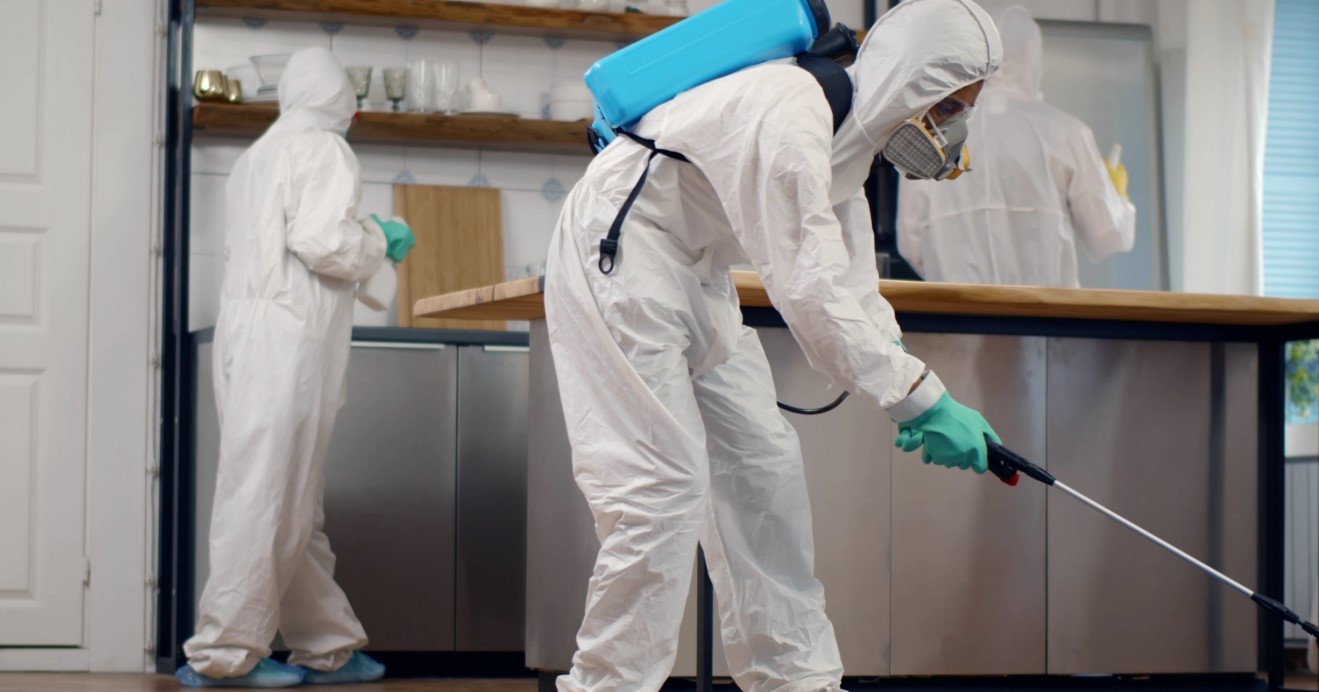
Professional pest control services offer expertise, specialized equipment, and long-term solutions that DIY methods may not provide. Although hiring professionals involves a higher initial cost, it can prevent recurring problems and additional expenses in the future.
Hidden Costs to Consider
When budgeting for pest control services, it’s important to be aware of potential hidden costs. Some companies charge extra for follow-up visits, emergency services, or additional treatments beyond the initial plan.
There may also be costs related to repairs if pests have caused damage to your property. For example, termites can weaken wooden structures, leading to expensive repairs that go beyond pest control itself.
Choosing the Right Pest Control Provider
Selecting the right pest control company is just as important as understanding the costs. Look for providers with good reviews, proper licensing, and transparent pricing. A reputable company will offer a detailed inspection and provide a clear estimate before starting any work.
Don’t hesitate to ask questions about the methods they use, the duration of treatments, and any guarantees they offer. Comparing quotes from multiple providers can also help you find a service that fits your budget without compromising quality.
Ways to Save on Pest Control Costs
There are several ways to manage and reduce the cost of pest control services. Regular maintenance and preventive measures can go a long way in avoiding major infestations. Keeping your home clean, sealing entry points, and properly storing food can help deter pests.
You can also look for discounts or bundled service packages offered by pest control companies. Some providers offer seasonal promotions or reduced rates for long-term contracts, making professional services more affordable.
Is Pest Control Worth the Cost?
While the cost of pest control services may seem high at first, it’s important to consider the long-term benefits. Effective pest control protects your home, health, and peace of mind. Ignoring an infestation can lead to more serious problems and higher expenses down the line.
Investing in professional pest control ensures that the issue is handled properly and reduces the risk of recurrence. In many cases, the cost of treatment is far less than the damage pests can cause if left unchecked.
Final Thoughts
Understanding the cost of pest control services helps you plan ahead and choose the best solution for your needs. Prices can vary depending on the type of pest, the severity of the infestation, and the services required, but having a clear idea of what to expect makes the process less overwhelming.
By considering your options, comparing providers, and taking preventive measures, you can manage costs effectively while keeping your home safe and comfortable. Pest control is not just an expense—it’s an investment in maintaining a healthy and secure living environment.
