

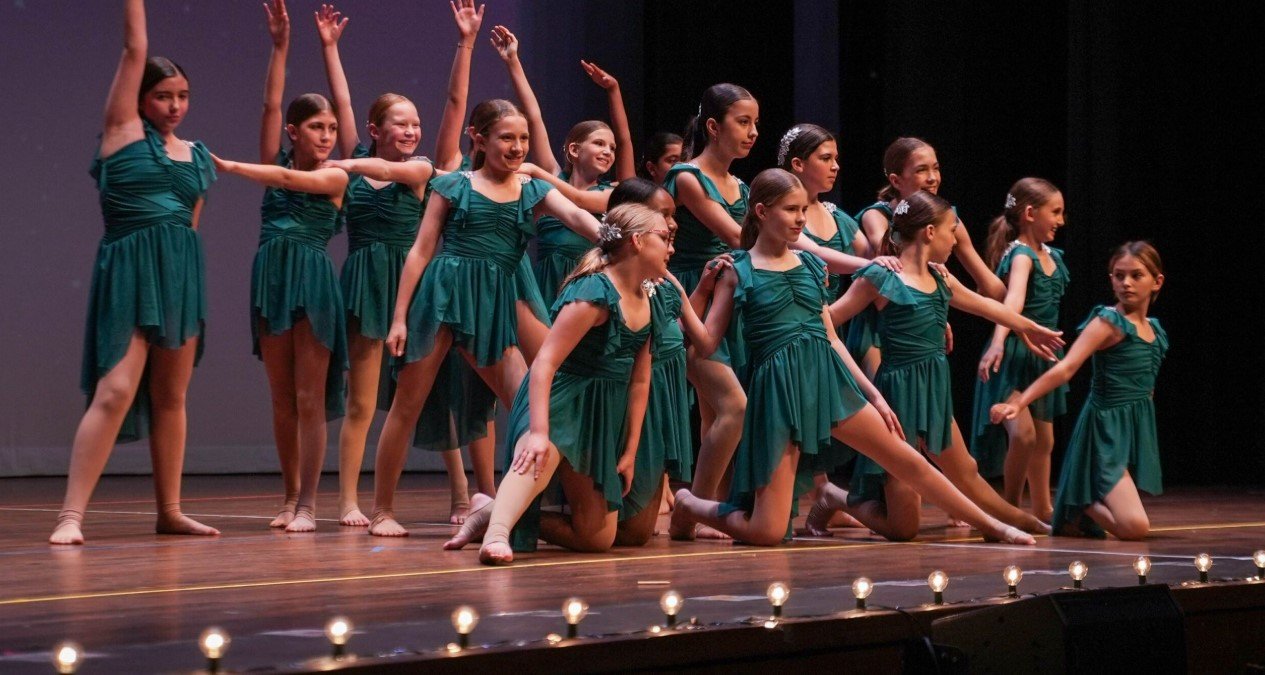
Movement has always been a powerful form of expression, but organized dance takes that expression to another level. For students who want more than casual choreography, structured group training offers discipline, teamwork, and performance excellence. What Are Dance Team Classes? They are specialized programs designed to train dancers to perform as a synchronized unit, often with the intention of competing, representing an institution, or performing at high-profile events. These classes combine technique, athleticism, and collaboration, creating a unique learning environment that differs greatly from solo or recreational dance lessons.
What Are Dance Team Classes? Understanding the Core Concept
At their foundation, What Are Dance Team Classes? They are structured training sessions where dancers learn to work collectively as a team rather than focusing solely on individual expression. Unlike open dance classes, these programs emphasize precision, uniformity, and group dynamics. Dancers are taught how to match timing, spacing, energy, and style so that the entire group performs as a single, cohesive unit.
Dance team classes are commonly found in schools, colleges, competitive studios, and professional training centers. They often prepare dancers for competitions, pep rallies, halftime shows, cultural events, and national or international showcases.
The Purpose Behind Dance Team Training
Dance team classes exist to serve multiple purposes beyond simply learning choreography. These programs aim to:
-
Build technical consistency across all dancers
-
Develop performance confidence in group settings
-
Prepare teams for competitive environments
-
Instill discipline, accountability, and leadership
-
Enhance physical conditioning and endurance
By focusing on these objectives, dance team classes create performers who are not only skilled dancers but also reliable team members.
Key Skills Developed in Dance Team Classes
Technical Dance Skills
Dance team classes cover a wide range of technical foundations depending on the team’s style. These may include jazz, hip-hop, contemporary, pom, lyrical, or fusion styles. Dancers refine turns, jumps, kicks, isolations, and transitions with an emphasis on uniform execution.
Synchronization and Timing
One of the most critical aspects of What Are Dance Team Classes? is synchronization. Dancers learn how to count music precisely, hit movements at the same moment, and maintain visual alignment. This skill is essential for competitive success and polished performances.
Strength, Flexibility, and Stamina
Dance teams demand athleticism. Classes include conditioning exercises that improve core strength, leg power, flexibility, and cardiovascular endurance. These physical skills allow dancers to perform high-energy routines without losing form or focus.
Performance Quality and Stage Presence
Beyond technique, dancers are trained to project confidence, facial expression, and energy. Judges and audiences notice performance quality just as much as choreography, making this an essential component of dance team education.
Structure of Dance Team Classes
Warm-Up and Conditioning
Every class typically begins with a structured warm-up. This includes stretching, mobility exercises, and light cardio to prevent injury and prepare the body for intense movement. Conditioning segments may follow, targeting strength and endurance.
Technique Drills
Technique drills focus on refining specific movements such as turns, leaps, kicks, or footwork. These drills are repeated frequently to ensure consistency across the team.
Choreography Rehearsal
A significant portion of class time is dedicated to learning and cleaning choreography. “Cleaning” refers to adjusting details like arm placement, head angles, spacing, and timing so the routine looks unified.
Formations and Transitions
Dance team classes place strong emphasis on formations. Dancers learn how to move smoothly between positions while maintaining spacing and awareness of teammates. This spatial discipline is a defining feature of team-based dance.
Run-Throughs and Performance Practice
Classes often end with full run-throughs of routines. This simulates real performance conditions and helps dancers build stamina, confidence, and mental focus.
Different Types of Dance Team Classes
School and College Dance Teams
These classes are often tied to academic institutions. They prepare dancers for sporting events, assemblies, and competitions. College-level teams may also focus on advanced technique and national-level contests.
Competitive Studio Dance Teams
Studio-based dance team classes are highly competitive. They train dancers for regional, national, and international competitions. These programs often require auditions and a strong commitment level.
Professional and Semi-Professional Teams
Some dance team classes prepare performers for professional opportunities, such as entertainment squads, cheer-dance hybrids, or commercial performance teams. These classes emphasize precision, marketability, and industry standards.
Competitive Advantages of Dance Team Classes
Enhanced Teamwork Skills
One of the greatest benefits of What Are Dance Team Classes? is teamwork development. Dancers learn how to support one another, communicate effectively, and take responsibility for collective success. These skills extend far beyond dance.
Discipline and Time Management
Dance team members must balance rehearsals, performances, and sometimes academics or work. This structure teaches discipline, punctuality, and effective time management—qualities highly valued in any career path.
Increased Performance Opportunities
Dance team classes often lead to more performance opportunities than solo training. Competitions, showcases, and public events allow dancers to gain stage experience and exposure.
Confidence in High-Pressure Environments
Performing as part of a team in front of judges or large audiences builds mental toughness. Dancers learn to manage nerves, recover from mistakes, and perform confidently under pressure.
How Dance Team Classes Differ from Regular Dance Classes
While traditional dance classes focus on individual improvement, dance team classes prioritize group cohesion. Instructors pay close attention to how dancers blend together rather than stand out. Uniformity in technique, appearance, and energy is essential.
Additionally, dance team classes often involve stricter attendance policies, higher expectations, and longer rehearsal hours. This commitment level prepares dancers for professional and competitive environments.
Who Should Join Dance Team Classes?
Dance team classes are ideal for dancers who:
-
Enjoy working collaboratively
-
Want to compete or perform regularly
-
Are comfortable with structured training
-
Seek athletic and artistic challenges
-
Aspire to join school, college, or professional teams
Both beginners and advanced dancers can benefit, as many programs offer tiered levels based on skill and experience.
Long-Term Benefits Beyond Dance
The impact of What Are Dance Team Classes? extends far beyond the studio. Participants often develop leadership abilities, resilience, and strong work ethics. Former dance team members frequently excel in careers that require collaboration, presentation skills, and discipline.
Dance team experience also looks impressive on academic and professional applications, demonstrating commitment, teamwork, and performance under pressure.
Choosing the Right Dance Team Program
When selecting dance team classes, consider the following factors:
-
Instructor experience and credentials
-
Team goals (recreational vs competitive)
-
Time commitment and expectations
-
Training style and dance genres offered
-
Performance and competition opportunities
A program that aligns with a dancer’s goals will provide the most rewarding experience.
Conclusion
What Are Dance Team Classes? They are more than just group dance lessons—they are structured, goal-driven programs that build skilled performers and strong individuals. By combining technical training, teamwork, and performance discipline, dance team classes offer unique advantages that shape dancers both on and off the stage. Whether the goal is competition, school representation, or personal growth, these classes provide a powerful pathway for dancers ready to move together as one.
