

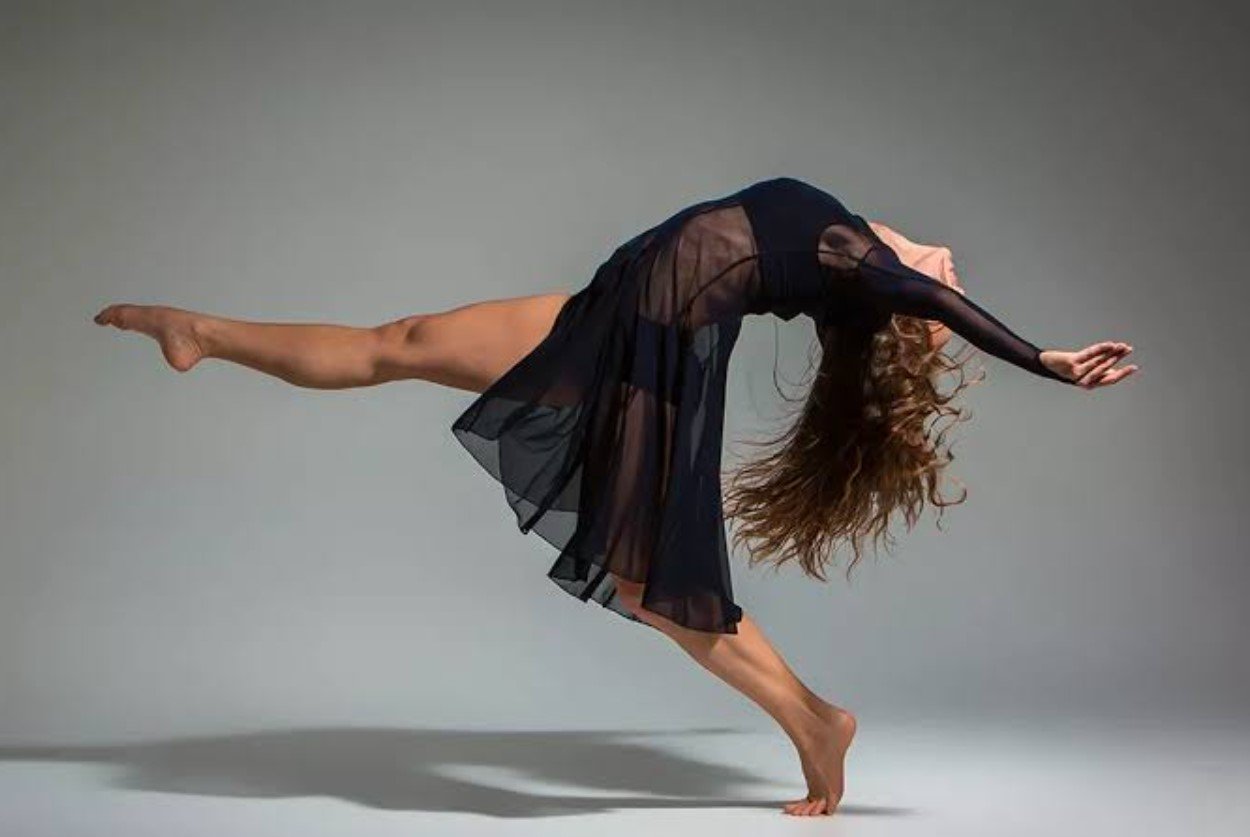
Lyrical dance is a beautiful fusion of ballet, jazz, and contemporary movement that focuses on expressing deep emotion through fluid motion. It blends technique with storytelling, allowing dancers to connect music, lyrics, and physical expression into one seamless performance. At its core, What Is Lyrical Dance can be understood as a style that transforms feeling into movement, making it one of the most expressive forms of dance for beginners and advanced performers alike.
Understanding What Is Lyrical Dance
To clearly define What Is Lyrical Dance, it is important to see it as more than just choreography. Lyrical dance interprets music lyrics and emotional undertones through movement. Unlike strictly technical dance styles, lyrical dance prioritizes expression over rigid structure.
Dancers often perform to slow or mid-tempo music with emotional depth, such as songs about love, struggle, hope, or personal growth. Every movement is designed to reflect the meaning behind the music rather than just the beat.
This style encourages freedom, softness, and storytelling, making it accessible yet deeply artistic.
Origins and Evolution of Lyrical Dance
Lyrical dance evolved from a combination of ballet technique and jazz expression. It became widely recognized in dance competitions during the late 20th century, especially in the United States.
Choreographers wanted a style that could bridge the gap between technical precision and emotional storytelling. That desire gave birth to lyrical dance as we know it today.
Over time, it has grown into a global dance style used in stage performances, competitions, music videos, and even therapy-based movement sessions.
Key Characteristics of Lyrical Dance
Understanding What Is Lyrical Dance also means recognizing its defining features:
- Fluid movements: Smooth transitions without sharp stops
- Emotional storytelling: Each movement reflects lyrics or mood
- Ballet influence: Strong posture, balance, and extension
- Expressive face and body language: Emotion is essential
- Controlled strength: Soft appearance with underlying technique
Unlike hip-hop or purely technical ballet, lyrical dance blends control with emotional release.
Beginner Tips for Lyrical Dance
If you are just starting, learning What Is Lyrical Dance practically begins with developing awareness of your body and emotions.
1. Build Basic Technique
Start with ballet fundamentals like posture, turnout, and balance. These form the foundation of lyrical movement.
2. Listen Deeply to Music
Don’t just hear the beat—focus on the lyrics, tone, and emotional shifts in the song.
3. Practice Slow Movements
Lyrical dance requires control. Practice moving slowly while maintaining grace and alignment.
4. Improve Flexibility
Stretching regularly helps achieve the flowing lines that define lyrical style.
5. Watch and Learn
Observe professional dancers to understand how emotion is translated into movement.
Basic Lyrical Dance Steps
To better understand What Is Lyrical Dance, you should practice its foundational movements:
Pirouette Variations
Controlled spins that emphasize balance and grace.
Developpé
A slow extension of the leg that highlights fluidity and strength.
Leaps and Extensions
Soft jumps that express freedom and emotion rather than power.
Floor Work
Movements that transition smoothly between standing and ground positions.
Spiral Turns
Gentle rotational movements that enhance storytelling.
These steps are not performed in isolation but blended into expressive sequences.
Emotional Performance in Lyrical Dance
One of the most important aspects of What Is Lyrical Dance is emotional connection.
Connect With the Music
Feel the message behind the song. Whether it is sadness, joy, or hope, your body should reflect that emotion.
Use Facial Expression
Your face is just as important as your body. A meaningful expression can elevate a performance.
Tell a Story
Every routine should have a beginning, development, and resolution, like a short emotional film.
Stay Present
Avoid overthinking technique during performance. Instead, focus on feeling the moment.
Practice Routine for Beginners
A simple routine can help you internalize What Is Lyrical Dance:
- Warm-up (10–15 minutes): Stretching and light cardio
- Technique drills (15 minutes): Ballet positions and balance exercises
- Movement flow (20 minutes): Combine steps like turns, extensions, and floor work
- Emotional practice (10 minutes): Dance to a chosen emotional song
- Cool down (5–10 minutes): Deep stretching and breathing
Consistency is more important than intensity at the beginner stage.
Common Mistakes to Avoid
When learning What Is Lyrical Dance, beginners often face challenges:
- Over-focusing on technique and ignoring emotion
- Stiff or robotic movements
- Lack of musical understanding
- Poor posture during transitions
- Rushing through choreography
Avoiding these mistakes helps you develop a more natural and expressive style.
Final Thoughts
Lyrical dance is more than just movement—it is a language of emotion expressed through the body. Understanding What Is Lyrical Dance opens the door to a powerful form of storytelling where technique meets feeling. With practice, patience, and emotional awareness, anyone can develop a strong foundation in this expressive dance style.
Whether you are dancing for fun, performance, or personal growth, lyrical dance offers a creative outlet that connects music, movement, and emotion in a deeply meaningful way.
